
Strengthening Families Through Preservation Services: A Data-Driven Approach
By Casey Bader
Over the past several years, children and family services across the United States have undergone a meaningful shift—from a system historically focused on removal to one centered on preservation services. This transformation reflects a growing understanding that, whenever it is safe and possible, children thrive best when they remain connected to their families, communities, and cultural identities.
Organizations working in this space—including those supported by Handel IT—are increasingly prioritizing family preservation services that stabilize families rather than separate them. These programs include Indian Child Welfare (ICW) initiatives, Temporary Assistance to Needy Families (TANF), employment and training services, and domestic violence support programs. Together, they form a coordinated safety net designed to address the root causes of family instability while promoting long-term resilience
The Growing Importance of Preservation Services for Families
Preservation services aim to reduce unnecessary out-of-home placements by addressing challenges such as poverty, housing instability, unemployment, and family violence. Many organizations have adopted wraparound service models, which provide comprehensive, individualized care that surrounds families with the support they need.
These family preservation services often include:
- Home visiting services
- Case management and coordinated care
- Access to culturally appropriate resources
- Behavioral health and domestic violence support
By focusing on the whole family rather than isolated issues, wraparound preservation services help create sustainable solutions that keep children safely at home.
Supporting the Goals of the Indian Child Welfare Act (ICWA) Through Preservation Services
A cornerstone of preservation services in Native communities is the Indian Child Welfare Act (ICWA). This federal law was established to protect the best interests of American Indian and Alaska Native (AI/AN) children and to promote the stability and security of Tribal families.
ICWA aligns closely with family preservation services by prioritizing placement options that maintain a child’s cultural and familial connections, including:
- Remaining in their home whenever possible
- Placement with extended family members
- Placement within their Tribe or Native community
Beyond placement preferences, ICWA requires agencies to make “active efforts”—a key component of effective preservation services—to prevent family separation or to reunify families when removal has occurred. These efforts must be:
- Affirmative and intentional
- Thorough and timely
- Culturally appropriate
- Focused on addressing root causes of instability
How TANF Supports Preservation Services by Addressing Childhood Poverty
One of the most significant factors contributing to out-of-home placements is poverty, often coupled with inadequate housing. Without stable income or safe living conditions, families may struggle to meet basic needs, increasing the risk of child welfare involvement.
Programs like Temporary Assistance to Needy Families (TANF) and employment and training initiatives are essential components of effective preservation services. These programs provide:
- Financial assistance for basic household needs
- Job training and workforce development
- Educational opportunities
- Support for maintaining or reestablishing two-parent households
By addressing economic instability directly, these preservation services empower families to become self-sufficient and reduce the likelihood of separation.
The Role of Employment and Training in Strengthening Preservation Services
Employment and training programs go beyond immediate financial relief—they create pathways to long-term stability and are a critical part of comprehensive family preservation services.
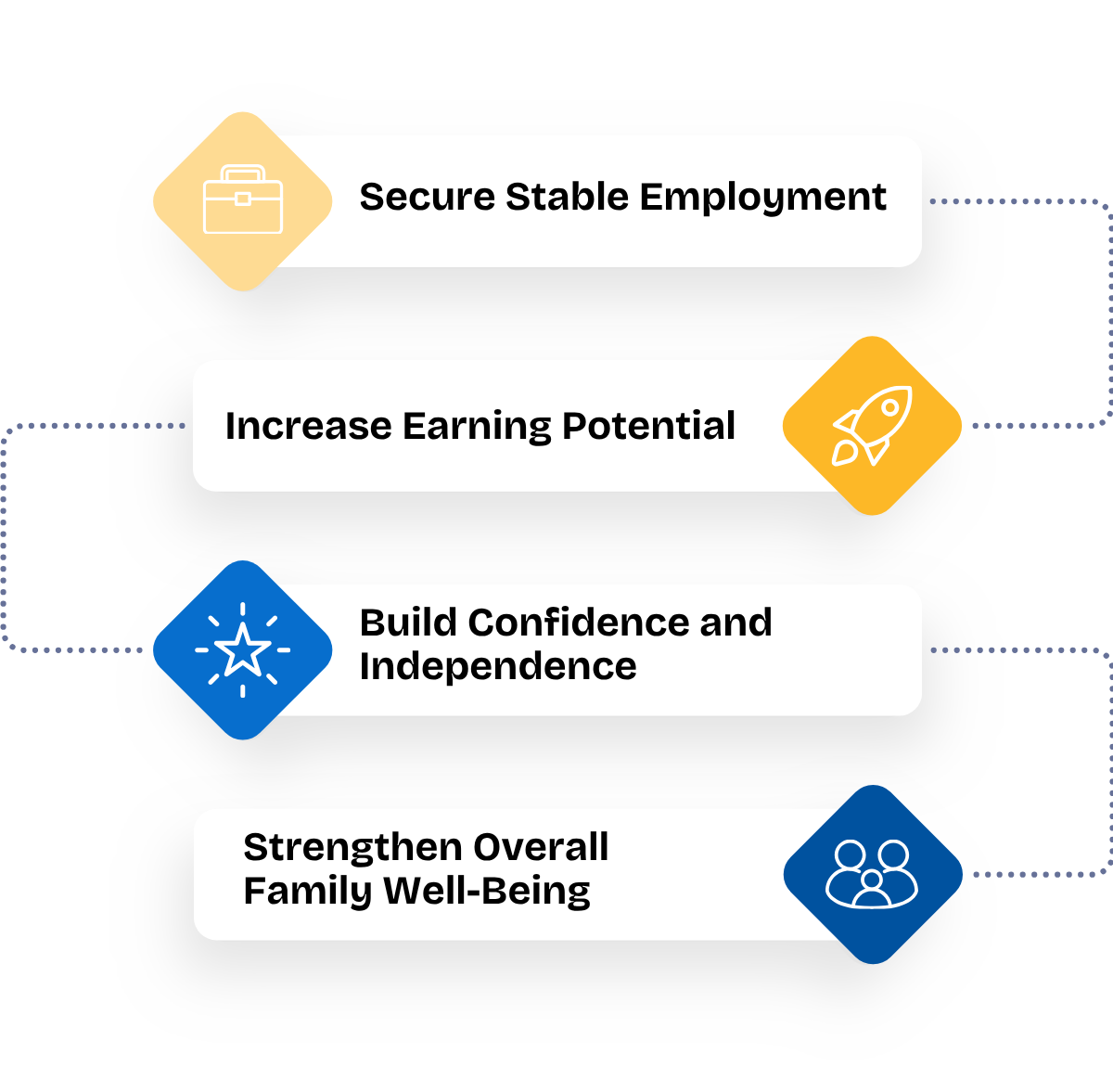
By equipping individuals with skills, certifications, and job placement support, these programs help clients:
- Secure stable employment
- Increase earning potential
- Build confidence and independence
- Strengthen overall family well-being
When families have access to meaningful employment opportunities, preservation services become more effective in supporting safe, stable home environments.
How Data and Technology Enhance Preservation Services Outcomes
Technology plays a critical role in advancing preservation services. Platforms like RiteTrack help organizations manage complex case data while ensuring compliance with ICWA and other program requirements.
With the right system in place, family preservation services programs can:
- Track family relationships and identify appropriate kinship placements
- Maintain updated records of foster homes and available resources
- Document and evaluate active efforts
- Analyze which interventions lead to the most successful reunification outcomes
By capturing a holistic view of children, families, and services, organizations can make more informed decisions. This data-driven approach strengthens preservation services by improving both individual outcomes and system-wide strategies.
A Holistic, Culturally Responsive Future for Preservation Services
The shift toward preservation services reflects a broader movement toward holistic, culturally responsive care. Programs that integrate cultural values, community connections, and comprehensive support services are better equipped to meet families where they are and help them succeed.
For Tribal communities, preserving cultural identity is not just beneficial—it is essential. Effective family preservation services ensure that children remain connected to their heritage, strengthening both individual outcomes and community resilience.
Preservation services are more than a policy trend—they represent a commitment to doing what is best for children and families. By combining culturally grounded practices, economic support programs, and data-driven technology solutions, organizations can create lasting, positive change.
As systems continue to evolve, the focus remains clear: keep families together whenever it is safe to do so, and provide the support needed to help them thrive.