Managing Sensitive Information in Domestic Violence Programs
By Tiffany Edmonds
For domestic violence and victim advocacy programs, information is more than just something to document and organize. It can be deeply personal, sensitive, and, in some situations, directly connected to someone’s safety.
Advocates and caseworkers may work with everything from personal histories and service requests to safety plans, referrals, and ongoing case notes. This information helps programs provide meaningful support, but it also comes with a significant responsibility to protect the people behind those records.
That’s what makes domestic violence case management different from many other types of program management. Staff need access to the information necessary to do their jobs, but that access must be balanced with strong confidentiality practices and reliable security measures.
So, what does responsible information management look like for domestic violence and victim advocacy programs?
Confidentiality Goes Beyond Keeping Records Secure
When we think about protecting sensitive information, the first things that often come to mind are passwords, secure storage, and limiting access to records. Those are important, but confidentiality involves much more than technology. It also involves understanding when information can be shared, who is authorized to receive it, and how those decisions affect the individuals receiving services.
For programs receiving certain federal funding, confidentiality is also a legal requirement. The U.S. Department of Justice’s Office on Violence Against Women (OVW) outlines protections for personally identifying and individual information collected in connection with services. These protections generally restrict disclosure, with specific exceptions involving informed written consent or legally compelled disclosure.
In practice, that means programs need clear policies and procedures for handling sensitive information, not just a secure place to store it. And importantly, confidentiality isn’t just about following regulations. It’s about creating an environment where individuals can seek assistance with greater confidence that their personal information will be respected and protected.
Not Every Staff Member Needs Access to Every Record
One of the challenges of domestic violence case management is determining who should have access to different types of information.
A program director may need access to overall program activity and reporting information. An advocate may need detailed information about the individuals they’re working with. Administrative staff may need certain demographic or service information without necessarily needing access to sensitive case notes.
Even within the same organization, different responsibilities can call for different levels of access.
This is where role-based access and well-defined internal procedures become important.
Rather than treating every record as equally accessible to everyone, programs should consider what information staff actually need to perform their responsibilities.
It’s also worth revisiting these permissions as responsibilities change. A staff member who moves into a new role may need different access than they had previously.
This is also an important consideration when choosing case management software. Systems with customizable user-security groups allow organizations to establish permissions based on staff responsibilities rather than providing everyone with the same level of access.
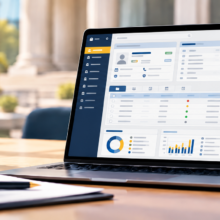
For example, RiteTrack uses role-based security groups to control what individual users can view, create, edit, or delete within the system. Permissions can even be managed at the individual field level, giving organizations greater control over who can access sensitive information. You can learn more about these capabilities in our article, Inside the RiteTrack Admin Interface: Tools for Configuration, Security, and Control.
The goal is to make necessary information available to the right people while reducing unnecessary exposure of sensitive records.
Sharing Information Requires Careful Consideration
Domestic violence and victim advocacy programs rarely operate in complete isolation. Depending on the program, staff may coordinate with community organizations, social services, legal advocates, housing resources, and other service providers. These relationships can be important for helping individuals access assistance.
However, coordinating services doesn’t automatically mean sharing client information. Before disclosing information, programs need to consider applicable confidentiality laws, funding requirements, consent procedures, and their own established policies. Even when organizations are working toward a shared goal, they may not have the same authority to access an individual’s records.
For Tribal programs, this can be especially relevant when domestic violence services operate alongside other Tribal departments. While coordinated services may offer benefits, information sharing should still be carefully controlled and consistent with applicable confidentiality requirements.
Thoughtful coordination means finding ways to support individuals without unnecessarily compromising their privacy.
Good Documentation Should Support Both Service Delivery and Privacy
Maintaining accurate records is an important part of domestic violence case management.
Case notes, service histories, referrals, and follow-up activities can help staff maintain continuity and understand what assistance has already been provided. But more documentation isn’t always better. Programs should consider what information is actually necessary to support their work and meet applicable requirements. Recording unnecessary personal details can create additional privacy concerns without necessarily improving services.
Consistency also matters.
Clear documentation practices help staff understand what should be recorded, how information should be maintained, and what details require additional protection. For example, programs can benefit from establishing internal expectations around:
- What information is necessary to document services
- How sensitive case notes should be handled
- Who is authorized to access or update records
- When information may be shared and what consent is required
- How records should be maintained and retained
These practices should be guided by the program’s legal obligations, funding requirements, and organizational policies. Ultimately, good documentation should help staff do their jobs without collecting or exposing more information than necessary.
Building Security Into Everyday Case Management
Strong confidentiality practices should be supported by equally strong security measures. For domestic violence and victim advocacy programs, that means looking beyond whether a system can store case notes or generate reports. It’s also important to consider how information is protected, who can access it, and how activity within the system is monitored.
Some important security features to look for in domestic violence case management software include role-based permissions, encryption, audit trails, secure hosting options, and additional authentication measures. At Handel protecting sensitive information has been a priority throughout our nearly 30 years of developing case management software for Tribal programs and public-sector agencies. Our RiteTrack platform incorporates multiple layers of security, including user-security groups, detailed audit logs, encryption for data in transit, and optional two-factor authentication. Organizations can also choose between Handel-hosted and self-hosted deployments depending on their infrastructure and security needs. These capabilities help organizations maintain control over their information while giving authorized staff the access they need to perform their responsibilities.
Of course, technology is only one piece of the puzzle. Even the most secure software needs to be supported by clear policies, proper staff training, and consistent confidentiality practices. The goal isn’t simply to protect information from outside threats. It’s to help programs manage sensitive records responsibly throughout their everyday work.
Keeping the Focus on the People Behind the Records
At the end of the day, domestic violence and victim advocacy programs aren’t simply managing cases. They’re supporting individuals who may be navigating difficult, sensitive, and sometimes dangerous circumstances. The information collected throughout that process deserves careful attention.
Strong confidentiality practices, thoughtful documentation, appropriate access controls, and clear information-sharing procedures all contribute to a more responsible approach to managing sensitive records. And while every program may have different workflows, resources, and requirements, the underlying goal remains the same: protect sensitive information while ensuring staff have what they need to provide meaningful support.
Supporting the Work of Domestic Violence and Victim Advocacy Programs
At Handel Information Technologies, we understand that domestic violence and victim advocacy programs have unique case management, security, and reporting needs. Explore RiteTrack’s Domestic Violence and Victim Advocacy solution to learn how our software supports secure record management, service tracking, and program reporting.