Why Domestic Violence Programs Need More Than Basic Case Tracking
By Tiffany Edmonds
A domestic violence or victim advocacy program does a lot more than open a case, document an interaction, and close a file. Behind every case are conversations, services, referrals, follow-ups, and often multiple people working to support an individual’s needs. An advocate might help someone develop a safety plan, connect them with housing resources, arrange financial assistance, or navigate other available services. And those needs can change over time.
It’s a lot to keep track of, especially when staff are balancing direct services with documentation, community outreach, and program responsibilities. That’s why effective domestic violence case management is about more than maintaining a list of clients and case notes. Programs need a way to manage the many moving pieces involved in providing support, while keeping the focus on the people they’re serving.
A Case Is More Than a Collection of Notes
Case notes are an important part of documenting services, but they don’t always tell the whole story.
Consider an individual who reaches out to a victim advocacy program for assistance. During that initial interaction, an advocate may identify several needs. Some may require immediate attention, while others could involve ongoing services or future follow-ups. Over time, the program may need to document referrals, assistance provided, changes to a safety plan, and progress toward established goals. If all of that information lives in individual case notes, it can become difficult to get a clear picture of what’s happening without reading through an entire case history.
A more structured approach helps programs organize different activities and services while maintaining the context of each individual’s experience. Instead of only asking, “What happened during this interaction?” programs can also consider:
- What services have been requested or provided?
- Are there outstanding referrals or follow-up activities?
- What goals has the individual identified?
- What assistance has already been provided?
- What information does the advocate need for the next interaction?
Having these details organized can make it easier for staff to understand where things stand and determine what may need attention next. Of course, a person’s needs and choices should always guide the process. Case management tools should support advocates and the individuals they serve, not force every situation into the same predetermined workflow.
Coordinating Services Without Losing Sight of the Individual
Domestic violence and victim advocacy programs often help individuals navigate needs that extend beyond one specific service. Someone seeking assistance may also need access to housing, transportation, legal resources, counseling, financial support, or other community services. Meeting those needs may involve several organizations or departments, each providing a different kind of assistance.
The U.S. Department of Justice’s Office on Violence Against Women (OVW) has emphasized the importance of coordinated community responses that bring together advocates, service providers, and community partners to support survivors. But coordinating services doesn’t mean every organization needs access to the same information. Programs must still follow applicable confidentiality requirements and respect each individual’s choices regarding referrals and information sharing.
From a case management perspective, it can be helpful to document which referrals have been made, what services were requested, and whether additional follow-up is appropriate. For example, if an advocate connects someone with a housing resource, the program may want to track that referral and any subsequent assistance without unnecessarily collecting or sharing sensitive information. The goal isn’t to create more paperwork. It’s to help advocates stay organized as they support individuals whose needs may involve several different services.
Supporting Ongoing Advocacy and Follow-Ups
Not every service is completed in a single interaction. Some individuals may receive assistance over an extended period, while others may return to a program as their circumstances change. That means advocates often have to balance immediate needs with longer-term activities. Depending on the program, this could include monitoring progress toward advocacy goals, documenting additional services, revisiting referrals, or maintaining action plans. When those activities are scattered across notes, spreadsheets, calendars, and other records, it can be harder to see what has already been completed and what still needs attention.
Organizing these activities within a case management process can help staff maintain continuity without relying entirely on memory or manually searching through multiple sources. No two individuals will have the exact same needs, and the appropriate next step isn’t always predictable. Programs need processes that allow staff to document changing circumstances and adjust their approach without unnecessarily complicating their work. Good case management should help advocates remain organized while leaving room for professional judgment and survivor-directed decisions.
Program Management Extends Beyond Individual Cases
Another part of victim advocacy that can be easy to overlook is everything happening outside direct client interactions. In addition to traditional victim services, many programs also coordinate community education, outreach activities, advocate training, hotline services, and other initiatives. These activities may not always fit neatly into an individual client record, but they’re still important parts of how a program operates.
For example, a program may need to document community education events, track staff training activities, or maintain information about shelter services and other assistance provided. When these activities are managed separately from the rest of the program’s information, staff may find themselves switching between different systems, documents, or tracking methods to understand overall program activity. Having a more organized approach can help program leadership understand the different services being provided, identify areas that need attention, and maintain records that support planning and reporting. It also reinforces an important point: managing a victim advocacy program involves more than managing individual cases. It involves supporting the advocates, services, activities, and resources that make that work possible.
Finding Case Management Software That Supports the Work
With so many responsibilities, domestic violence programs should be able to expect more from their technology than a place to store names and case notes.
The right domestic violence case management software should support the different aspects of a program’s work without creating unnecessary complexity. That means helping staff manage ongoing cases, document services, coordinate referrals, track program activities, and prepare for reporting requirements, all while maintaining appropriate security and confidentiality practices.
At Handel, we’ve worked with Tribal and public-sector programs for nearly three decades, developing RiteTrack to support the needs of organizations that provide essential community services.
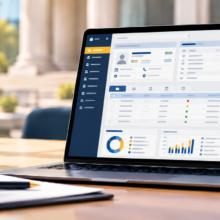
RiteTrack’s Domestic Violence and Victim Advocacy solution goes beyond basic case tracking with functionality for documenting referrals, safety plans, financial assistance, shelter services, advocacy goals, and community outreach activities. The platform also supports program-specific reporting and offers configurable functionality that can be adapted to an organization’s particular processes and requirements.
But the important thing isn’t simply having more software features. It’s having tools that reflect the work staff actually do. Domestic violence and victim advocacy programs already balance a wide range of responsibilities, often with limited time and resources. When information is organized, services are documented consistently, and follow-up activities are easier to track, staff can spend less time piecing together information and more time providing meaningful support.
Ultimately, effective domestic violence case management isn’t just about keeping better records. It’s about helping programs manage the work behind the services they provide, so advocates can focus on the individuals and communities who rely on them.